

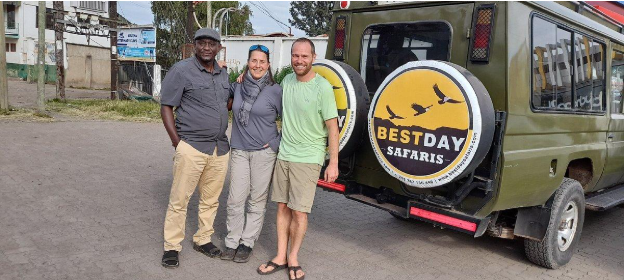
Before a vehicle move or a camera lift, there is often a quiet pause on the trail. A guide step down, study the dust, and read the ground like a page. What look like scattered marks to most travelers become a clear direction, a recent movement, a story still unfolding.
Tracking begin long before animals appear. On a Safari in Tanzania, wildlife tracking in Tanzania is not guesswork or luck. It is a skill rooted in knowledge, observation, and deep familiarity with the land. Footprints, broken grass, and subtle sounds all form a language that experienced guide understand fluently.
This is what turn a drive into a discovery. Tracks are stories written on the ground, and skilled tracker know how to read every line.
The Art and Science Behind Safari Tracking in Tanzania
Safari tracking in Tanzania blend instinct with careful analysis. Guides look at footprints, dropping, disturbed soil, and even the way grass bend to understand which animals have passed through and how recently.
A single track can reveal species, direction, pace, and mood. A deep impression might suggest a heavy animal moving slowly. A scattered pattern can hint at running prey. Fresh dung indicate proximity, while drying edge suggest time has passed.
Tracking is both art and science because it require interpretation. No two situations look identical, and no trail stay clear for long. Wind, sun, and movement constantly reshape the evidence. Yet for trained eyes, these clues form a reliable narrative that lead to wildlife without disturbance or rush.
The Role of Experienced Guides and Local Knowledge
Experience sharpen instinct. Wildlife tracking skills in Tanzania are built over years of observing animal patterns across seasons and terrains. Guides learn how predators move through territories, where herds settle, and how landscape influence behavior.
Local knowledge play a major role in tracking precision. Many guides understand Great Wildebeest Migration path, resting zone, and feeding area based on long familiarity with the environment. This knowledge help them interpret even the smallest clue quickly and accurately.
Training and repetition turn tracking into second nature. Over time, guides develop the confidence needed to approach wildlife calmly and responsibly, creating meaningful sighting for travelers.
How Terrain and Weather Improve Tracking Accuracy
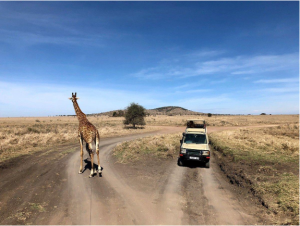
Nature leave signs everywhere, and animal tracking on safari in Tanzania become clear when conditions align.
Dry-season dust preserve footprints sharply, while slightly damp soil capture detailed impressions. Short grass reveal movement patterns, and muddy ground near waterholes often show recent activity.
Weather influence tracking more than many expect. Wind soften tracks, sun dry and fade them, and light rain can preserve or blur them depending on timing. Skilled guides understand how to read these changes. By combining environmental awareness with observation, they maintain high tracking accuracy across different landscape and season.
Technology Versus Traditional Tracking Skills
Modern tool support guiding, but guided safari tracking still rely most heavily on human expertise.
- Radios can share general wildlife locations, and GPS help navigation, yet neither replace the ability to read fresh track or interpret behavior on the ground.
- Tools assist, but skills lead. Traditional tracking allow guides to approach animals thoughtfully and avoid overcrowded sightings.
- This keeps encounter calm and natural while protecting wildlife from stress or disruption.
In the end, technology enhance efficiency, but deep tracking knowledge remain the foundation of a strong Tanzania Safari Experience.
Why Precise Tracking Enhances Safari Experiences
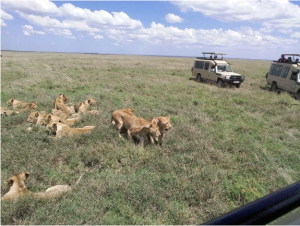
Precise tracking transform a Tanzania safari from simple sightseeing into a deep wildlife experience. Watching guides interpret signs and follow trails build anticipation and awareness. Each step become part of the story leading to a sighting.
Accurate tracking also supports ethical encounter. Animals remain undisturbed, behavior stay natural, and guests witness wildlife as it truly is. This approach strengthen the connection between travelers and the ecosystem while reinforcing conservation-minded travel.
Understanding Tanzania wildlife behavior through tracking make every encounter more meaningful and memorable.
Experience Tanzania Safaris guided by skilled trackers and deep wildlife understanding.
FINAL REFLECTION
Precise wildlife tracking in Tanzania elevate safaris beyond chance encounters. It turn landscapes into narratives and sightings into moment of discovery shaped by knowledge and patience.
When guides read the ground with skill and respect, every encounter feel intentional and authentic. Tracking reveal that the most rewarding safaris are not rushed or random they are guided by experience, observation, and a deep understanding of the natural world.
